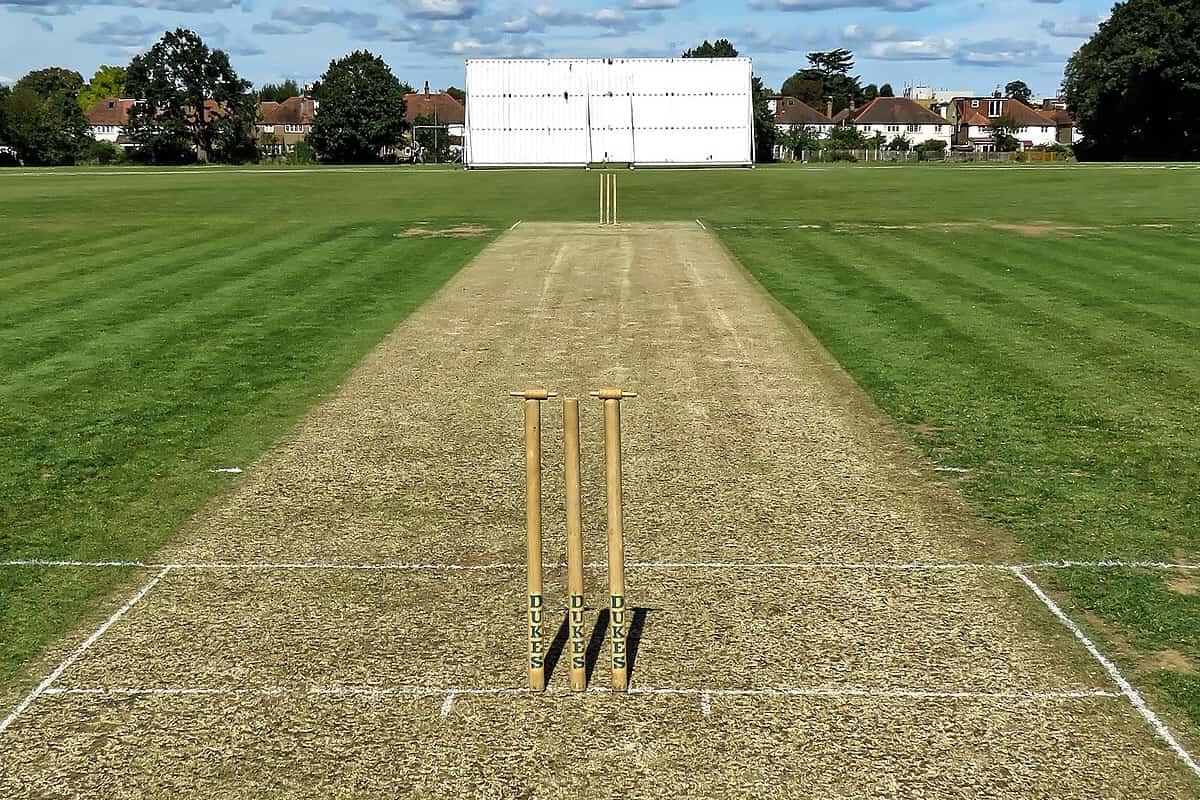
How to Read a Pitch Report for Dream11 Red Soil vs Black Soil Explained
You pick the best players, you check the stats, but you still lose. Why? Because you ignored the most important player in the match: The Pitch. Learning how to read a pitch report for Dream11 is the difference between winning a Grand League and losing your entry fee.
In this guide, we decode the secret language of curators—from Red Soil bounce to Black Soil spin—so you can build winning teams every time.
Master How to Read a Pitch Report for Dream11
To truly understand how to read a pitch report for Dream11, you must first stop looking at just the “Average Score.” The average score is history; the pitch report is the present reality. Commentators often use complex terms, but we will simplify them into winning fantasy tips.
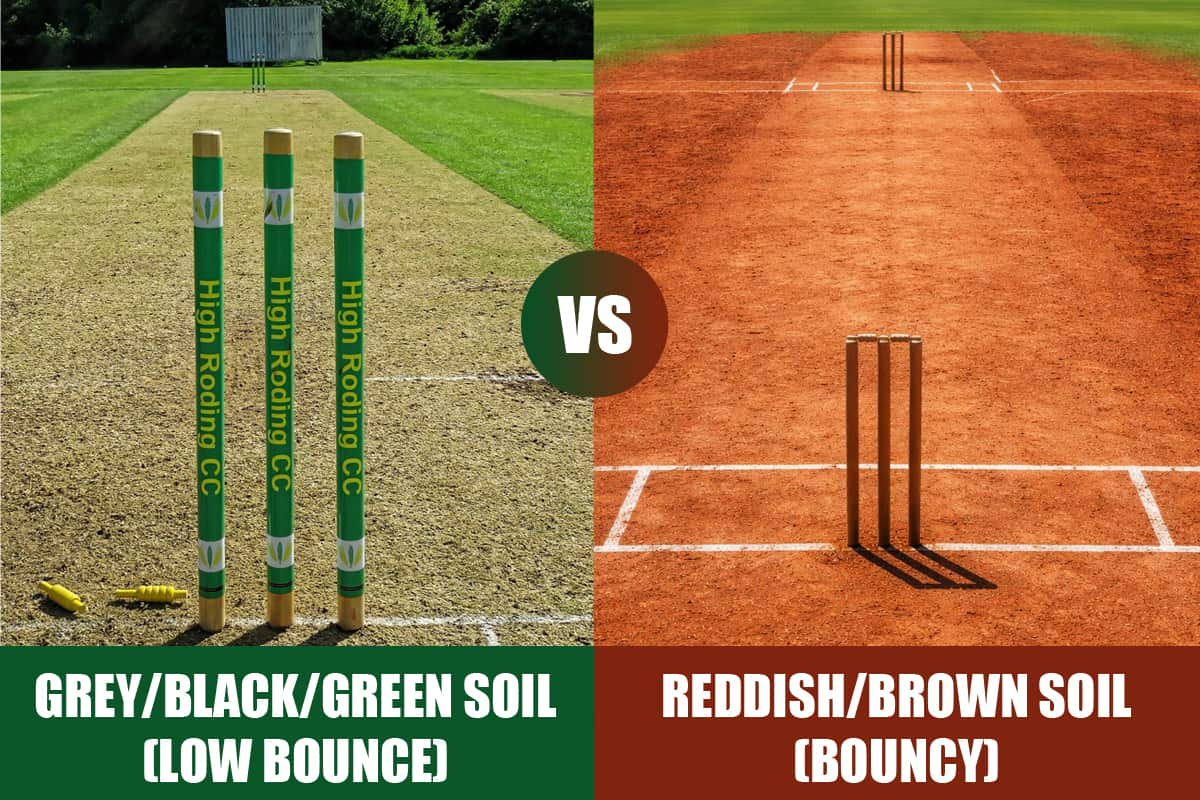
1. Red Soil Pitches (The “Bounce” Tracks)
Red soil has low clay content, meaning it doesn’t hold water well. It dries up fast and crumbles.
- Behavior: High bounce and good carry for pacers.
- Fantasy Tip: Pick “Hit-the-Deck” fast bowlers (like Bumrah or Rabada) and batsmen who like pace on the ball.
- Famous Venues: Wankhede Stadium (Mumbai), Chinnaswamy (Bengaluru).
2. Black Soil Pitches (The “Spin” Tracks)
Black soil has high clay content. It holds the pitch together longer but offers very low bounce.
- Behavior: The ball grips the surface. It plays “Low and Slow.”
- Fantasy Tip: Captain a Spinner. Avoid batsmen who struggle against turning balls.
Green Top vs. Dust Bowl: Visual Cues
When you watch the live pitch report on ESPNcricinfo or TV, look for these two colors:
- Green Grass: This is heaven for Swing Bowlers. If you see live green grass, drop the spinners and load up on swing specialists like Trent Boult.
- Dry/Dusty Brown: This means the pitch will crack. Spinners will dominate from the first over. Captain a mystery spinner.
The “Dew Factor” Hack
In Day-Night matches (7:30 PM starts), “Dew” is the biggest enemy of the bowling team. As the night gets colder, water droplets settle on the grass.
How it affects your team:
- Wet Ball: Bowlers cannot grip the ball. Spinners become useless in the 2nd innings.
- Skidding: The wet ball skids onto the bat nicely, making batting easier.
The Golden Rule: If there is heavy dew, ALWAYS stack your team with batsmen from the Chasing Team.

Weather Conditions: Sunny vs Overcast
Another crucial part of learning how to read a pitch report for Dream11 is checking the sky.
- Sunny Day: The pitch dries out, making it easier for batsmen. The ball stops swinging after 2-3 overs.
- Overcast (Cloudy): The heavy atmosphere helps the ball swing for much longer. In these conditions, taking openers is a huge risk.
History vs. Live Reality
Many fantasy apps show you “Last 5 Matches” stats. While useful, they can be a trap. A pitch that was a “Batting Paradise” in April might be a “Dust Bowl” in May because of wear and tear.
Always trust the Live Pitch Report (done 30 minutes before the match) over historical data. If the captain says “It looks dry,” ignore the fact that the last match had 200 runs. Play for a low-scoring thriller.
Summary Checklist for Today’s Match
Before you lock your team, ask these 3 questions:
- Is it Red Soil (Pace) or Black Soil (Spin)?
- Is there Green Grass (Swing) or is it Dry (Turn)?
- Is it a Night Match (Dew Factor)?
Once you master how to read a pitch report for Dream11, you will stop guessing and start winning.
Disclaimer: This article is for educational purposes only. We are not affiliated with Dream11 or any other fantasy app. Fantasy cricket involves financial risk; please play responsibly.