
Fastest Ball in Cricket History – Top 10 Fastest Balls Ever Recorded
Fastest Ball in Cricket History is one of the most iconic and debated records in world cricket. From the explosive pace of Shoaib Akhtar to the slingy thunderbolts of Shaun Tait, the race to bowl the fastest ball in cricket history has fascinated fans for decades.
Breaking the 160 kmph barrier is extremely rare. Many fast bowlers have crossed 150 kmph, but only a few have entered the elite 160+ club. In this guide, we rank the officially verified records for the fastest ball in cricket history, explain how bowling speed is measured, and separate myths from reality.
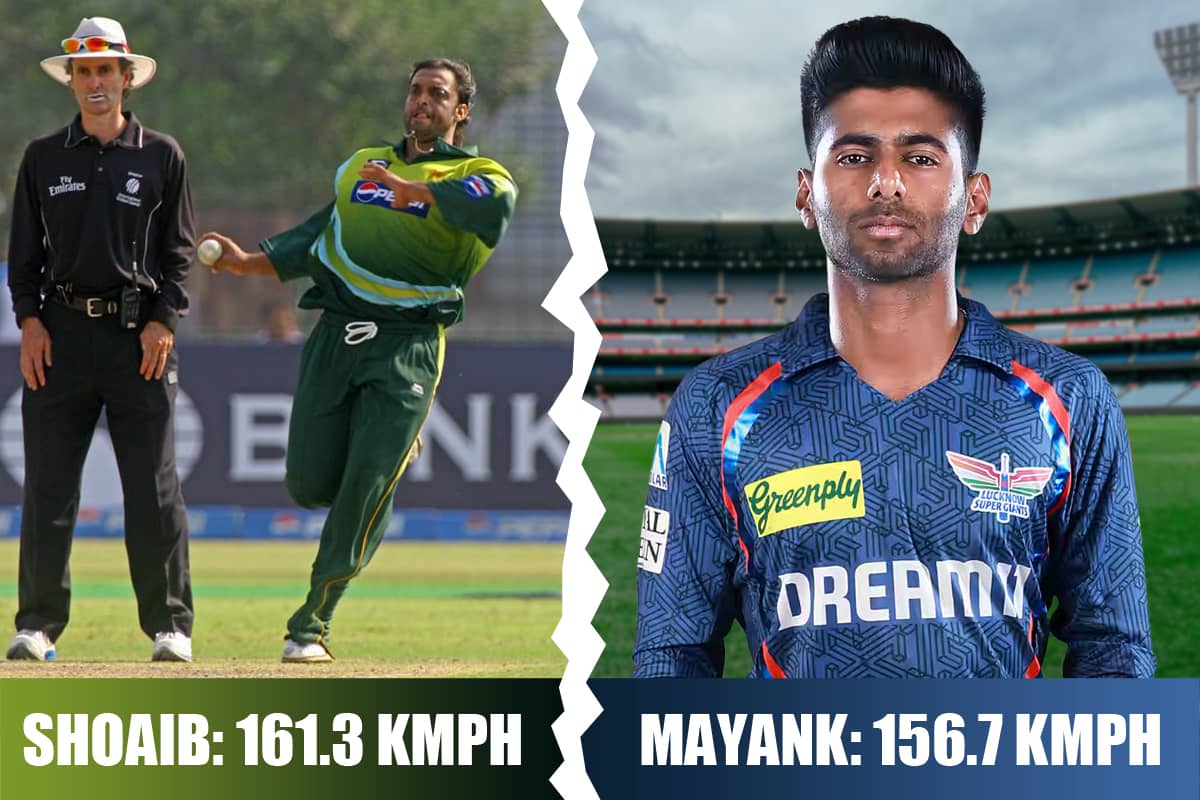
- World Record Holder: Shoaib Akhtar – 161.3 kmph
- Fastest in IPL: Shaun Tait – 157.71 kmph
- Fastest Indian: Umran Malik – 157.0 kmph
- Viral Myth: 175 kmph delivery (Speed gun error)
1. Shoaib Akhtar – 161.3 kmph (Official Record)
Match: Pakistan vs England, 2003 ICC World Cup
Venue: Newlands, Cape Town
Shoaib Akhtar holds the official record for the fastest ball in cricket history at 161.3 kmph (100.2 mph). Delivered during the 2003 World Cup, this remains the highest officially recorded speed in international cricket.
Akhtar’s combination of raw athleticism, extreme shoulder rotation, and explosive run-up allowed him to generate unmatched pace. Even after more than two decades, no bowler has officially surpassed his record for the fastest ball in cricket history.
2. Shaun Tait – 161.1 kmph
Shaun Tait came incredibly close to breaking the fastest ball in cricket history record. His 161.1 kmph delivery remains one of the quickest ever recorded.
Tait’s unique slingy action allowed him to generate speed with minimal backlift, making him one of the most dangerous pace bowlers of his era.
3. Brett Lee – 161.1 kmph
Brett Lee matched Tait’s 161.1 kmph speed with a more traditional fast-bowling action. His delivery is often cited as one of the cleanest examples of biomechanics in the race for the fastest ball in cricket history.
Fastest Balls in IPL History
| Rank | Bowler | Team | Speed (kmph) | Year |
|---|---|---|---|---|
| 1 | Shaun Tait | Rajasthan Royals | 157.71 | 2011 |
| 2 | Gerald Coetzee | Mumbai Indians | 157.40 | 2024 |
| 3 | Lockie Ferguson | Gujarat Titans | 157.30 | 2022 |
| 4 | Umran Malik | Sunrisers Hyderabad | 157.00 | 2022 |
| 5 | Mayank Yadav | Lucknow Super Giants | 156.70 | 2024 |
While IPL speeds are impressive, none have surpassed the official record for the fastest ball in cricket history.
How Is the Fastest Ball in Cricket History Measured?
Bowling speed is measured using Doppler radar technology placed behind the bowler’s arm. The system calculates the speed immediately after release.
- Measured at release point
- Small margin of error (±1–2 kmph)
- Broadcast systems may vary slightly
Official data is verified through broadcasters and cricket databases such as
ESPNcricinfo Records and the
ICC.
Why the Fastest Ball in Cricket History Record Is So Hard to Break
Breaking the fastest ball in cricket history requires:
- Explosive run-up momentum
- Elite core strength
- Perfect shoulder rotation
- Strong wrist snap at release
- High injury tolerance
Modern sports science has improved training methods, but sustaining 160+ kmph without injury remains extremely difficult.
Related Cricket Records
- Longest Six in Cricket History
- Fastest Century in Cricket History
- How to Read a Cricket Pitch Report
Frequently Asked Questions
Who bowled the fastest ball in cricket history?
Shoaib Akhtar holds the official record for the fastest ball in cricket history at 161.3 kmph during the 2003 World Cup.
Has anyone bowled faster than 161.3 kmph?
No officially verified delivery has surpassed the fastest ball in cricket history record set by Shoaib Akhtar.
What is the fastest ball in IPL history?
Shaun Tait holds the IPL record at 157.71 kmph.
Who is the fastest Indian bowler?
Umran Malik currently holds the fastest IPL record by an Indian at 157.0 kmph.
Conclusion
The fastest ball in cricket history still belongs to Shoaib Akhtar. With young fast bowlers emerging globally, fans continue to dream of a new 162+ kmph milestone — but until it is officially recorded, Akhtar remains the undisputed king of speed.

One Comment